University of Vermont — UVM Innovations

Turn Your Research
Into Real-World Impact

Technology transfer is the bridge between academic discovery and the world that needs it. Whether you want to license your innovation, launch a startup, or release it as open source — this guide walks you through every step of the journey.
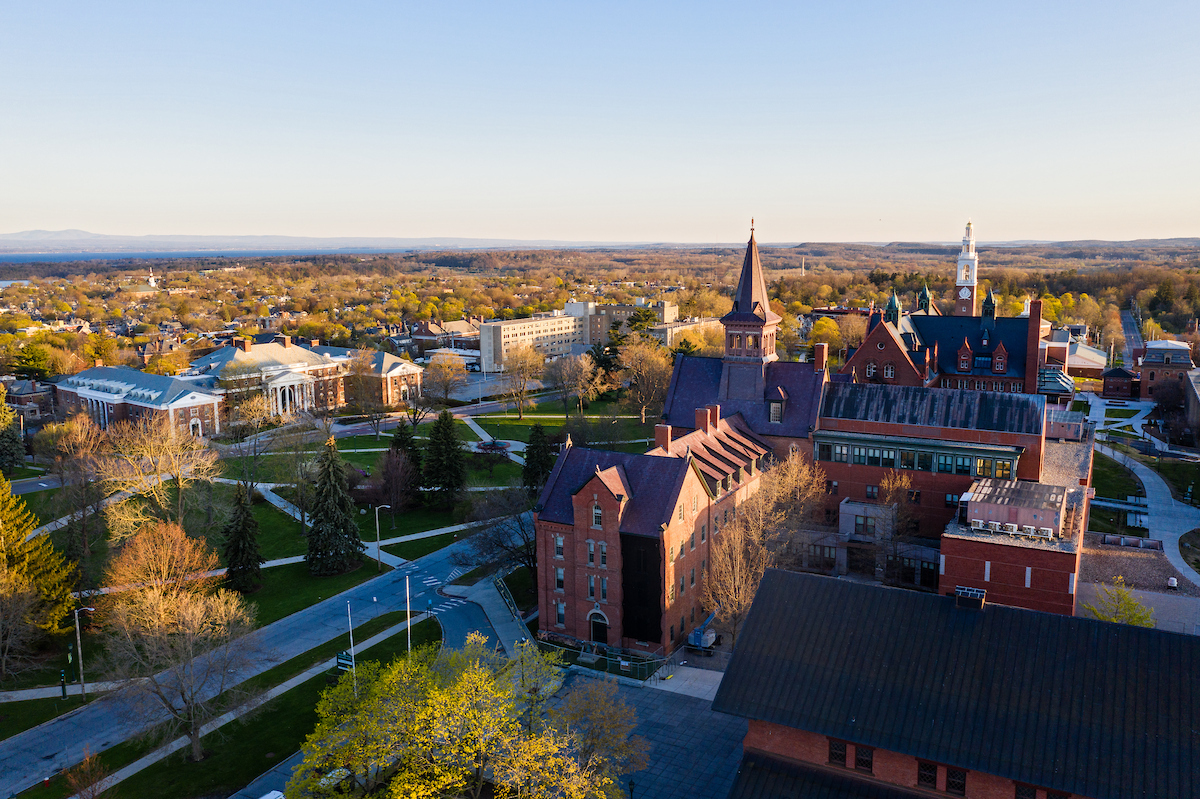
Aerial view of the University of Vermont campus at sunset
411 Invention Disclosures
136 US Patents Issued
39 UVM-Founded Startups
3 Pathways to Impact

What Is Technology Transfer?

Technology transfer is the formal process of moving research discoveries, knowledge, and intellectual property from creators — like university researchers — into the hands of people who can develop them into products, services, or freely available tools.

The Bayh-Dole Act of 1980 was a turning point: it allowed universities to own inventions created through federally funded research and to commercialize them. Before it, most academic patents sat unused in government filing cabinets. Today, university tech transfer generates billions in economic activity and thousands of products used every day.

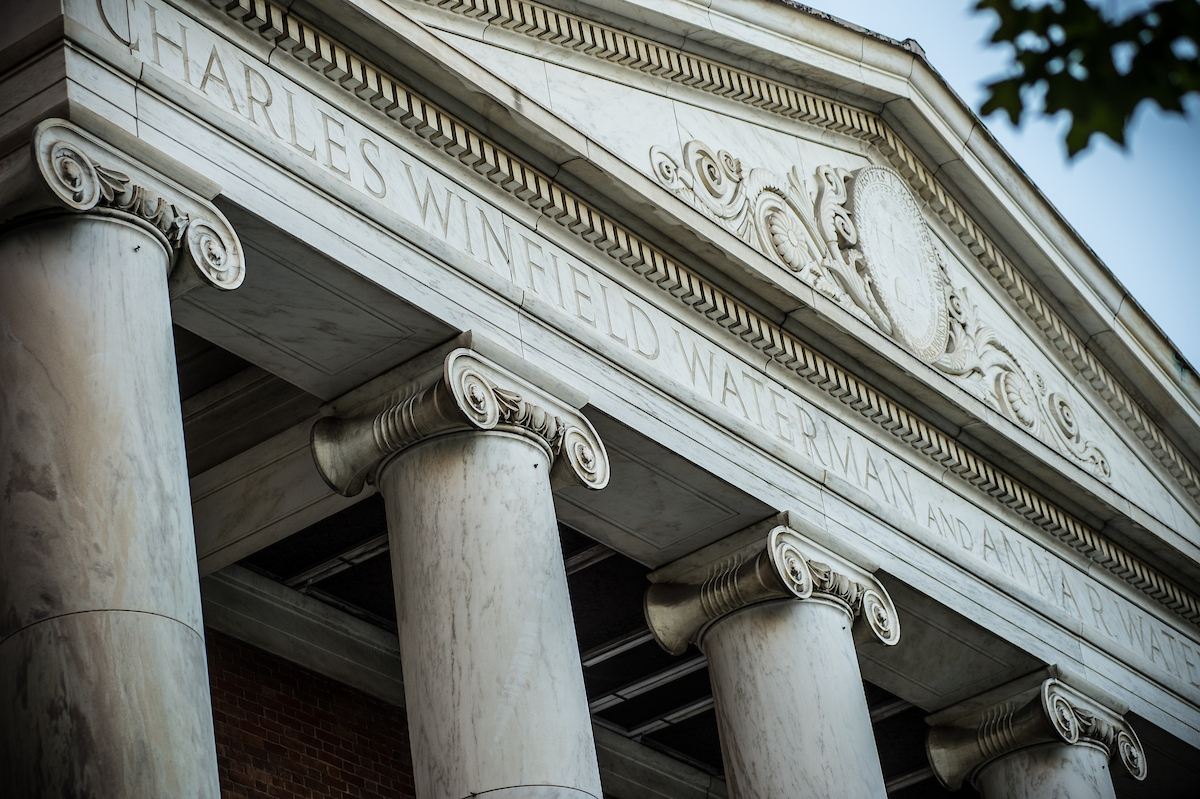
Waterman Building at the University of Vermont

For Researchers

You've made a discovery. Now what? UVM Innovations helps you evaluate commercial potential, protect your intellectual property, find industry partners, and — if you choose — launch your own company.

The process starts with a single step: submitting an Invention Disclosure Form. The earlier you do it, the more options you have.

See the step-by-step process
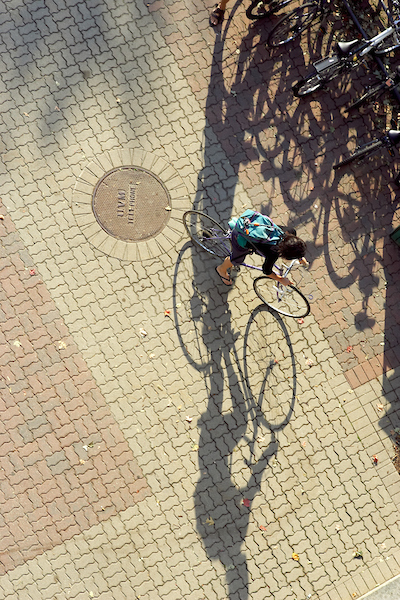
UVM student on bicycle — representing the student journey through innovation

For Students

Tech transfer isn't just for faculty. If you've developed something innovative — through coursework, a lab, or a side project — you may have IP worth protecting. Programs like ARC, NSF I-Corps, and SPARK-VT are specifically designed to bring students into the commercialization process.

Find student programs

Three Ways to Create Impact

There's no single route from lab to real-world use. Your goals, the nature of your innovation, and who benefits most will shape which path makes sense.

Licensing pathway illustration
Licensing

License to Industry

Work with UVM Innovations to patent your invention and license it to an existing company. UVM retains ownership; you receive royalties. Best for technologies that need significant capital to develop and scale.

Learn more →
Startup pathway illustration
Startup

Launch a Startup

Spin out a company around your technology. UVM has launched 39 startups in the past decade. Programs like SPARK-VT, NSF I-Corps, and the UVM Ventures Fund can help you get off the ground.

Learn more →
Open source pathway illustration
Open Source

Release as Open Source

Not every innovation needs to be commercialized. Open-source release can maximize societal impact, accelerate adoption, build reputation, and still be considered a legitimate technology transfer outcome.

Learn more →

Five Stages on the Technology Transfer Trail

UVM Innovations uses a trail metaphor to describe the journey from initial research to a licensed, launched, or released outcome. Here's the map.

1
Stage 1

Research Meadow

Initial R&D and grant-funded discovery. Connect with the Office of the Vice President for Research (OVPR) for grant writing support and funding opportunities.

2
Stage 2

Technology Transfer Supply Shop

Submit your Invention Disclosure. This is where you engage UVM Innovations to evaluate IP strategy, file for patent protection, and set a direction. File early — before any public disclosure.

3
Stage 3

Technology Advancement Trails

Prototype, build, and refine. Access the UVM FabLab, Center for Biomedical Innovation, and makerspaces to take your concept toward a functional prototype.

4
Stage 4

Market Assessment Meadow

Validate demand. Work through NSF I-Corps, SPARK-VT, or ARC to conduct customer discovery, competitive analysis, and develop your commercialization plan.

5
Stage 5

Mountain Summit

Negotiate and finalize your license, launch your company, or release your code. UVM Innovations manages the licensing agreement, royalty payments, and ongoing relationship with your licensee or spin-out.

Full Trail Guide with Resources

Research That Became Something More

These examples show how university-led discoveries — across industries and pathways — moved from lab to impact.

Licensing • Life Sciences

From Lab Bench to Pharmaceutical Shelf

A UVM researcher's molecular discovery was licensed exclusively to a biotech firm, which secured FDA approval and brought a new therapeutic to market. The royalties fund continued research.

Read more →

Startup • AgTech

Soil Intelligence, Spun Out

An agricultural engineering team used NSF I-Corps customer discovery to validate market demand, then launched a startup with seed funding from the UVM Ventures Fund.

Read more →

Open Source • Environmental Tools

Water Monitoring Software Goes Open

Rather than patent a hydrological modeling tool, a research team released it under an open license. It's now used by agencies across three continents — maximizing public benefit over private gain.

Read more →

Ready to Start?

UVM Innovations is here to guide you. The first step is a conversation — reach out before you publish, present, or share your work publicly.

Contact UVM Innovations Read the Trail Guide