September 2024 · Western North Carolina
Hurricane Helene
Helene's flooding washed out highways, closed mountain passes, and knocked out power for weeks. The FCC reported 3,432 cell sites down across the Southeast — in the hardest-hit counties, fewer than 10% remained operational. There was no pre-deployed mesh infrastructure before the storm; adoption was entirely organic, as people who already owned Meshtastic devices began using them in the days and weeks afterward. That grassroots response grew directly into NC Mesh, now building a statewide network of grid- and solar-powered radios.
What worked
- Carried mutual-aid traffic for days — "family safe at shelter," "route 19 closed," "medic needed at 41st and Oak"
- Solar-charged devices with large battery reserves ran for days without grid power
- The mesh kept functioning as a standalone local network even with zero internet
What didn't work
- Newcomers spamming status updates every 30 seconds briefly crowded out real emergency traffic
- No pre-deployed backbone meant early adopters were isolated "island" nodes with no mesh to join
- Most of the value arrived days to weeks later, once device density finally built up
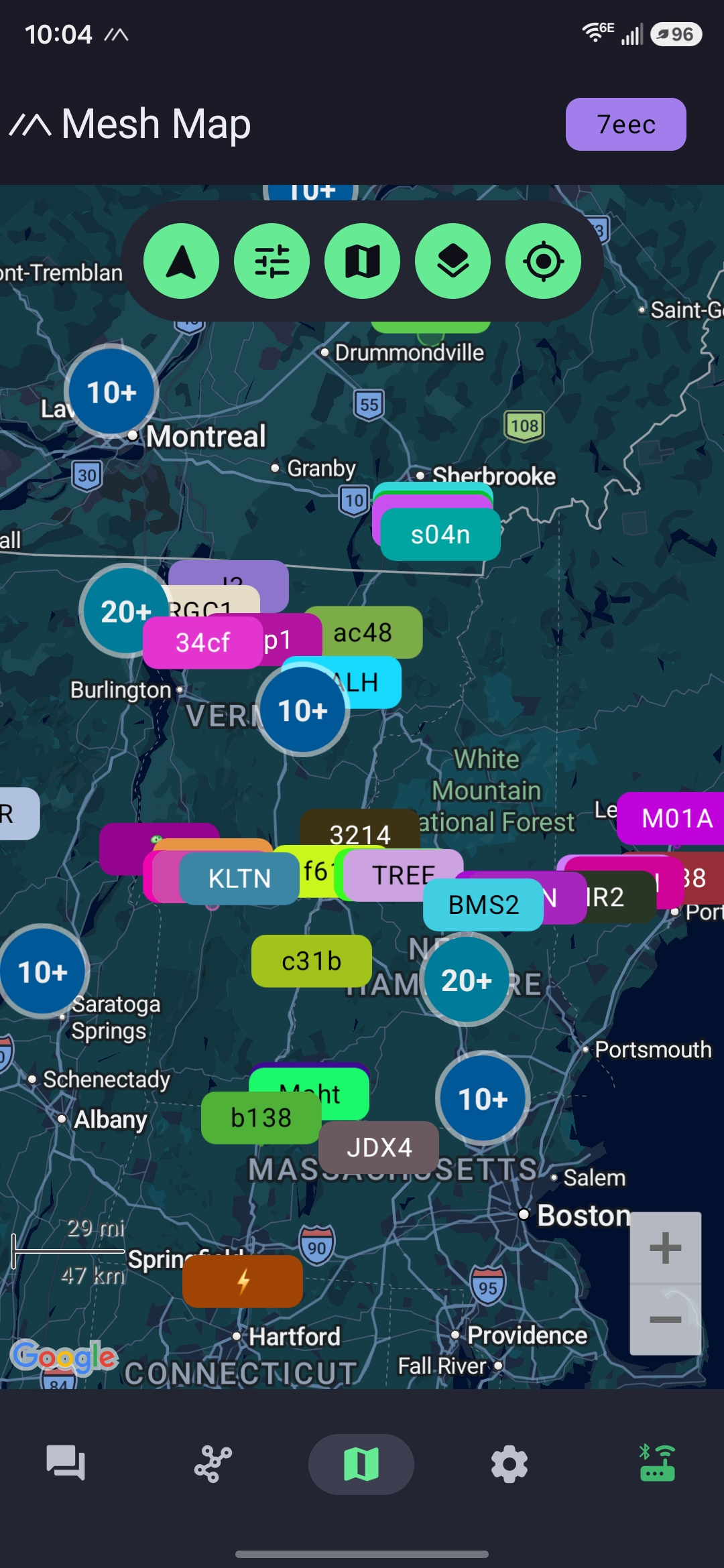
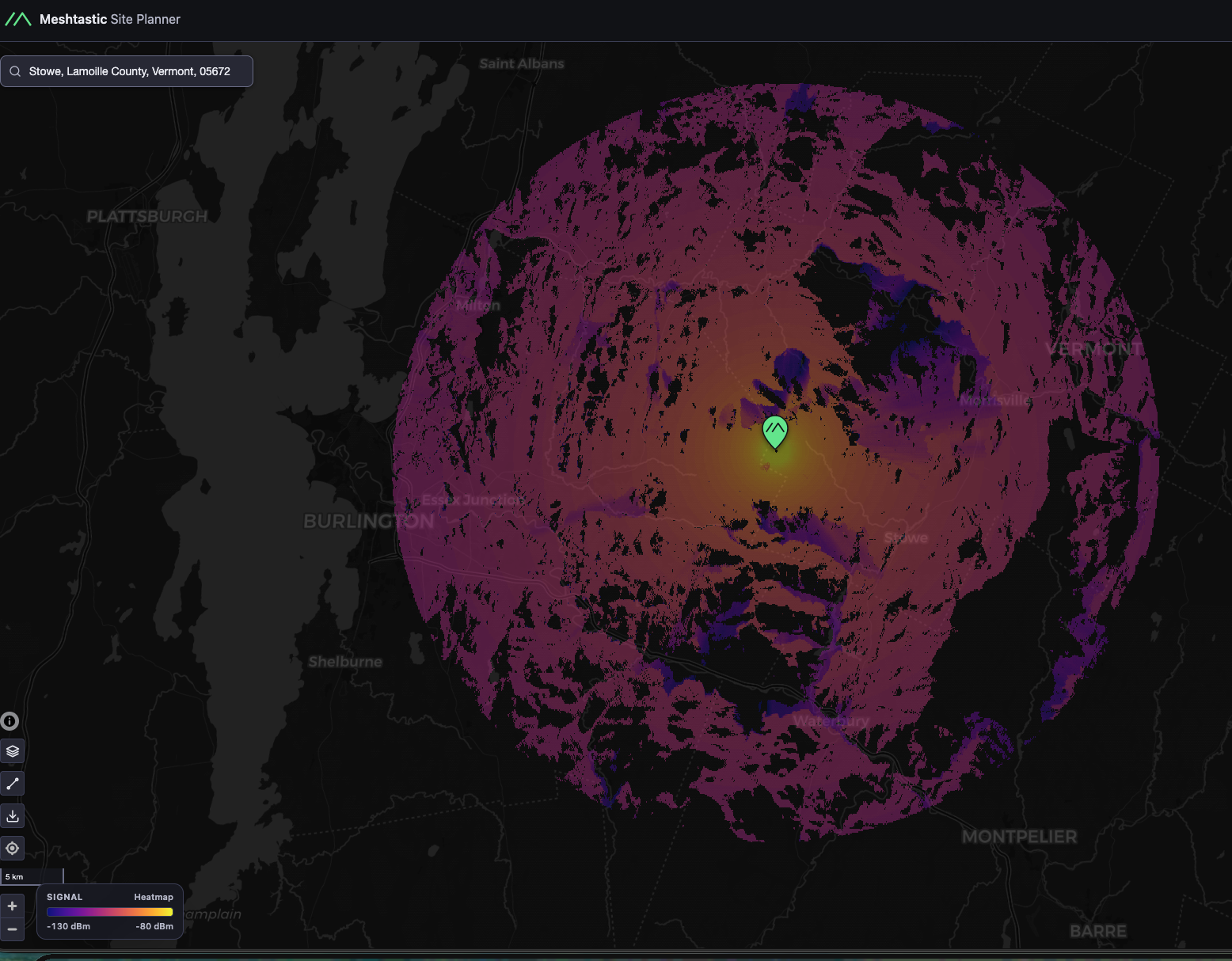
Key lesson for Vermont: The infrastructure needs to exist before the disaster. A pre-deployed Burlington mesh with documented operating conventions would have been immediately useful during Irene and the 2023 floods — not gradually useful over weeks.
Sources: NC DPS, NC Mesh, FCC / telecom analysis, DEV Community case study